

End of Financial Year Checklist for NZ Businesses

As the end of financial year in NZ approaches, many business owners start thinking about taxes, financial reports, and whether their records are fully up to date. The weeks leading up to EOFY are the perfect time to review your finances, organise documents, and make sure nothing important is missed. A clear EOFY checklist can help simplify the process and reduce last-minute stress. By preparing early, businesses can stay compliant, identify potential tax deductions, and ensure their business tax preparation is accurate before filing deadlines arrive. Whether you run a small business or manage a growing company, taking a structured approach to EOFY can make a significant difference in how smoothly your financial year wraps up.
What Is the End of Financial Year in New Zealand?
The end of financial year in New Zealand marks the close of the country’s annual accounting period. For most businesses and individuals, the financial year runs from 1 April to 31 March of the following year. During this period, businesses track their income, expenses, and overall financial performance. When the financial year ends, businesses must finalise their financial records and prepare their accounts for tax reporting.
In the weeks leading up to the financial year end, many businesses review their transactions to ensure everything has been recorded correctly. This typically includes reconciling bank accounts, reviewing expenses, and organising invoices and receipts. Keeping accurate and well-organised financial records helps ensure the information used for reporting reflects the true position of the business.
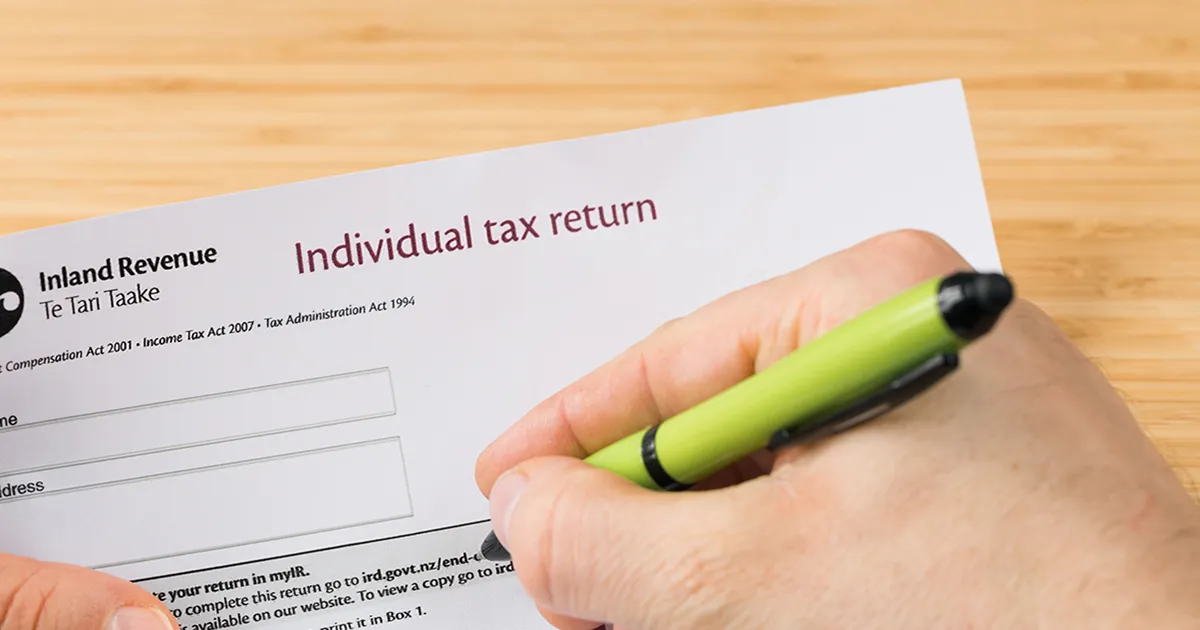
The end of financial year is also important because it signals the start of the tax filing process. Businesses must calculate their income, confirm eligible end of financial year tax deductions, and prepare financial reports for submission to Inland Revenue (IRD). Identifying deductible expenses such as operating costs, equipment purchases, or business subscriptions can help reduce overall tax obligations.
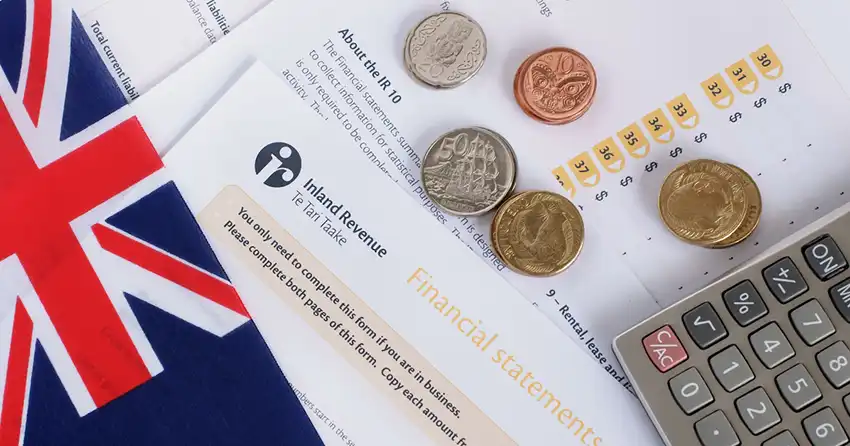
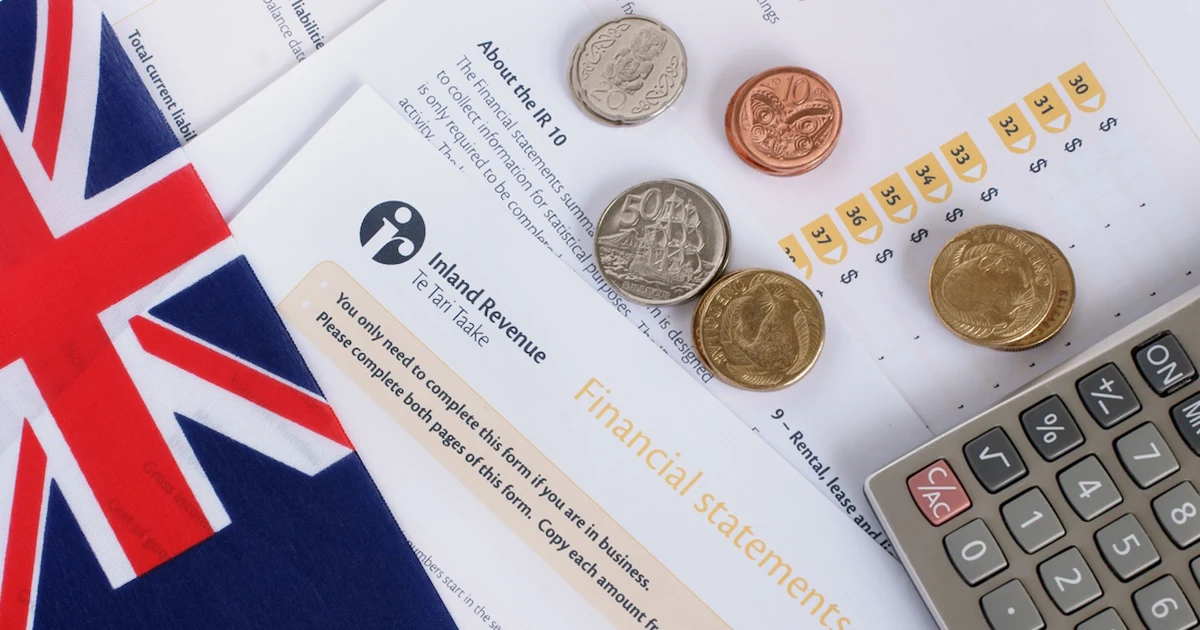
Financial statements are another key part of this process. Many businesses prepare a profit and loss statement, which summarises income and expenses, and a balance sheet, which outlines assets, liabilities, and equity. These reports provide valuable insights into business performance and help support accounting compliance requirements.
Beyond compliance, the financial year end also provides a chance to review how the business has performed. By analysing financial data, business owners can identify trends, control costs, and plan for future growth.
With the financial year closing on 31 March in New Zealand, is your business fully prepared to review its finances and start the next financial year with confidence?
End of Financial Year Checklist for NZ Businesses
Preparing for the end of financial year in NZ can feel overwhelming, but a clear EOFY checklist helps businesses stay organised and avoid missing important tasks. Reviewing financial records, checking expenses, and confirming tax obligations are key steps to ensure your accounts are accurate.
Following a simple checklist also makes business tax preparation easier and reduces last-minute stress. Below are some essential tasks NZ businesses should complete before the financial year ends.
1. Reconcile All Bank Accounts
One of the most important EOFY tasks is to reconcile bank accounts by matching your bank statements with your accounting records. This process helps confirm that all income and expenses have been recorded correctly in your system.
During bookkeeping reconciliation, businesses should check for missing transactions, duplicate entries, or incorrect amounts. Identifying and correcting these discrepancies ensures your financial records are accurate before preparing reports and tax filings. Regular reconciliation also provides a clearer picture of your business’s financial position at the end of the year.
2. Review Business Expenses
Reviewing business expenses before the end of the financial year helps ensure all claimable expenses are recorded correctly. This step allows businesses to identify costs that may qualify for tax deductions in NZ, such as operating expenses, equipment, or work-related purchases.
It is also important to make sure receipts and supporting documents are properly stored. Confirming that expenses are categorised accurately in your accounting system helps keep financial records organised and supports a smoother tax filing process.
3. Prepare Financial Statements
Preparing accurate financial statements is an important step in year-end reporting. These reports provide a clear overview of your business’s financial performance and position at the end of the financial year.
The profit and loss statement summarises income and expenses to show whether the business made a profit or loss. The balance sheet outlines assets, liabilities, and equity, giving a snapshot of the company’s financial health. A cash flow summary tracks how money moves in and out of the business, helping identify whether there is enough cash to support operations. Together, these reports help businesses understand their performance and prepare for tax filing.
4. Check GST and Payroll Records
Before the financial year ends, businesses should review their GST and payroll information to ensure everything is accurate. This includes confirming that all GST returns have been submitted correctly and completing GST reconciliation to match reported amounts with financial records.
It is also important to review payroll reporting to make sure employee wages, PAYE deductions, and other payroll obligations have been recorded properly. Checking that employee details and payroll records are correct helps prevent compliance issues and ensures accurate reporting to Inland Revenue.
5. Review Asset Purchases and Depreciation
Businesses should review any business assets purchased during the financial year, such as equipment, vehicles, or technology. Keeping an accurate record of these purchases ensures they are properly accounted for in financial reports.
It is also important to apply the correct depreciation rules, which allow businesses to spread the cost of assets over time. In some cases, certain purchases may qualify for an instant asset write-off, depending on current tax rules. Reviewing asset records before EOFY helps ensure deductions are applied correctly and financial statements remain accurate.
6. Organise Financial Documents
Keeping your financial records organised is an important part of EOFY preparation. Businesses should make sure key documents such as invoices, receipts, bank statements, and tax records are complete and easy to access.
Good accounting documentation helps support expense claims, ensures accurate reporting, and makes it easier for accountants to review your finances. Having these documents organised also simplifies the tax filing process and helps businesses stay compliant with record-keeping requirements.
7. Meet with Your Accountant
Scheduling a meeting with a tax accountant in NZ before the end of the financial year can help businesses prepare more effectively. An accountant can review your financial records, identify potential tax obligations, and ensure everything is in order before filing.
This meeting is also a good opportunity to discuss business tax advice, including possible deductions, tax planning strategies, and ways to improve financial performance. A professional review can help ensure compliance with Inland Revenue requirements while supporting better financial planning for the year ahead.
Frequently Asked Questions
1. What is the end of financial year in NZ?
In New Zealand, the end of the financial year (EOFY) is 31 March, unless another balance date has been approved by IRD. The financial year runs from 1 April to 31 March, and businesses use this period to track income, expenses, and overall financial performance. At the end of the year, companies review their accounts, prepare financial reports, and get ready for tax filing with Inland Revenue.
2. What should businesses do before EOFY?
Before EOFY, businesses should complete a few key tasks to ensure their records are accurate. This includes reconciling bank accounts, reviewing expenses, checking GST and payroll records, organising financial documents, and consulting with an accountant if needed.
3. What expenses can businesses claim before EOFY?
Businesses may be able to claim a range of deductible expenses before EOFY. Common examples include office supplies, some equipment purchases, software subscriptions, travel costs, vehicle expenses, and other operating costs related to running the business. Keeping clear receipts and records helps support these claims.
When should businesses prepare for EOFY?
It is recommended that businesses begin preparing 1 to 3 months before the financial year ends. Starting early allows time to organise financial records, review expenses, and address any issues before the tax filing period begins.
Ready for EOFY? Let WK Help You Prepare
The end of financial year is the perfect time to review your finances, organise your records, and make sure your business is set up for success. With the right support, EOFY doesn’t have to be stressful or time-consuming.
At WK, our team helps businesses stay on top of their financial reporting, identify potential tax deductions, and ensure everything is ready for the upcoming tax filing period. Whether you need help reviewing your accounts, preparing financial statements, or planning for the year ahead, we’re here to support you.
Book a conversation with the WK team today and take the next step toward confident EOFY preparation and smarter financial planning for your business.






Accounting and advisory services to support your business.
Contact your local WK Advisory how our advisors can help you achieve your business goals.
