

Farm Budgeting Check-Up: 7 Financial Numbers Every Farmer Should Review This Spring
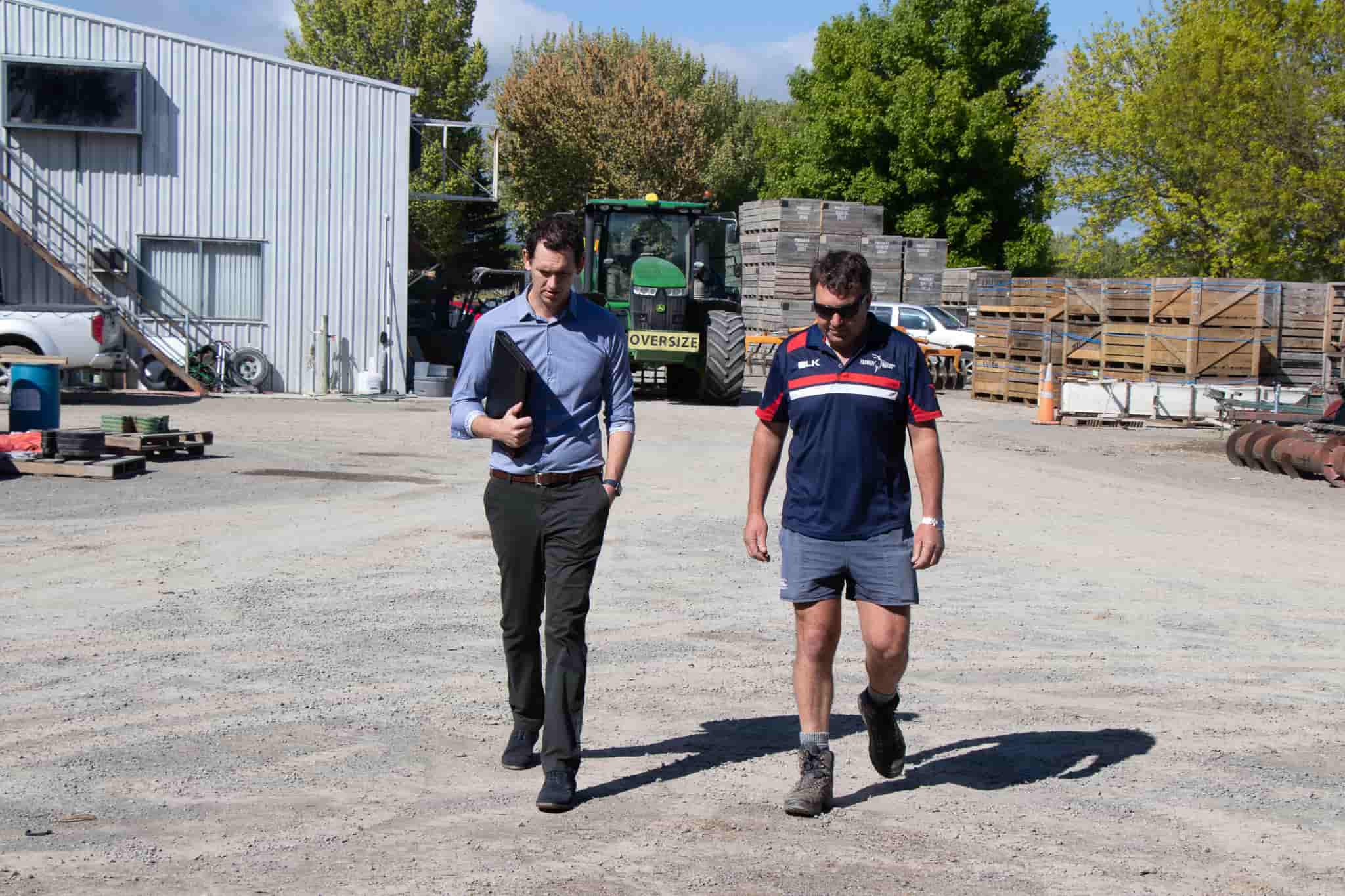
Spring is a busy time on the farm, and financial planning can easily take a back seat. It is also a good time to review your farm budget, check how the year is tracking and make any needed adjustments. Focusing on a few key numbers can give you a clearer picture of performance and help you plan for the months ahead. Here are seven financial numbers every farmer should review this spring.
1. Your Current Cash Position
Spring often brings increased spending across feed, fertiliser, animal health, contractors, wages and general farm operations.
That makes your current cash position an important place to start.
Rather than looking only at the balance in your bank account, consider:
- Cash currently available
- Upcoming seasonal expenses
- Expected income
- Overdraft limits
- Debt repayments
- Tax payments due over the coming months
A healthy bank balance today does not necessarily mean all of that cash is available to spend.
Some of it may already be committed to upcoming costs.
Reviewing your farm cash flow now can help identify any tighter periods ahead and give you time to plan for them.
2. Actual Performance VS Budget
Your original farm budget was based on assumptions made earlier in the year.
By spring, you should have enough actual information to start testing those assumptions.
Compare your year-to-date results with your original budget and identify any significant differences.
Ask:
- Is income tracking as expected?
- Is production ahead or behind budget?
- Have input costs changed?
- Are any expenses significantly over budget?
- Are current trends likely to continue?
If your actual performance differs from the original plan, update your budget rather than continuing to rely on outdated assumptions.
Regular farm budgeting gives you a more realistic picture of where the business is heading and helps you make informed decisions while there is still time to respond.
3. Farm Working Expenses
Spring can be an expensive period for many farming businesses.
Feed, fertiliser, fuel, wages, animal health, maintenance and contractor costs can quickly add up, particularly when several increases occur at the same time.
Take a closer look at your farm working expenses and identify which costs have moved most compared with your budget or the previous season.
Consider:
- Which expenses are higher than expected?
- Are those costs generating additional value or production?
- Are any expenses no longer necessary?
- Have supplier prices increased?
- Are there opportunities to improve purchasing or operating efficiency?
The goal is not simply to reduce spending.Some costs are necessary to maintain production and farm performance.
Instead, the aim is to understand where the money is going and whether that spending is producing the return you expected.
If you want a more structured view of business performance, WK’s Profit and Efficiency Diagnostic can help identify areas where profitability or efficiency may warrant closer attention.
4. Your Debt Position
Spring is also a good time to review your farm’s debt position.
Interest costs, seasonal cash requirements and upcoming capital expenditure can all affect how comfortably the business can manage its borrowing.
Review:
- Total farm debt
- Interest rates
- Interest costs
- Principal repayments
- Loan refixing or maturity dates
- Overdraft use
- Available borrowing capacity
The key question is not simply whether debt has increased or decreased.
Consider whether your current and forecast farm income can comfortably service that debt.
If the season is performing strongly, there may be an opportunity to reduce debt.
Alternatively, keeping additional cash available may provide useful flexibility for the months ahead.
The right decision will depend on your overall cash flow, risk position and future plans.
5. Gross Margin
Production can increase during spring, but higher output does not automatically mean stronger profitability.
That is why your farm gross margin is worth reviewing.
Gross margin helps show how much remains after the direct costs involved in generating farm income.
Compare your current margin with:
- Your budget
- The previous season
- Previous years
- Relevant industry benchmarks
If the margin has changed, investigate what is driving the difference.
For example:
- Has production improved?
- Have input costs increased?
- Are you spending more to achieve the same result?
- Has higher revenue translated into stronger profitability?
The aim is not simply to maximise production.
It is to understand whether the farm is producing a worthwhile financial return from the resources being used.
6. Upcoming Tax Obligations
Spring can feel like a strong cash-flow period for some farming businesses, but a portion of that cash may already be committed.
Review upcoming obligations such as:
- Provisional tax
- GST
- PAYE
- Income tax
- ACC
Make sure these are included in your updated farm cash flow forecast.
It is easy to see a healthy bank balance and assume there is additional cash available for spending, debt reduction or investment.
Planning for tax early helps avoid surprises later in the season.
WK’s accounting, tax and financial advisory services can help you understand upcoming obligations and how they fit within the wider financial position of your farming business.
7. Your Forecast Profit for the Season
Finally, use the information you have gathered to update your expected profit for the year.
Your original forecast may have been based on different assumptions around production, commodity prices, costs, weather or interest rates.
By spring, you should be able to replace some of those assumptions with actual results.
Ask:
- What profit are we currently on track to make?
- What happens if production changes?
- What if key costs increase?
- What would a stronger-than-expected season look like?
- How would a weaker result affect cash flow, tax and debt?
It can also be useful to prepare more than one scenario.
A realistic forecast, along with stronger and weaker scenarios, gives you a better understanding of the range of possible outcomes.
Forecasting is not about predicting exactly what will happen.
It is about helping you make decisions before the numbers become urgent.
Use Spring to Reset Your Farm Budget
Spring is naturally a season of growth and activity, making it a useful time to reset your financial expectations as well.
Once you have reviewed these seven numbers, identify the areas that require the most attention.
That might involve:
- Updating your farm budget
- Revising your cash flow forecast
- Reviewing an expense that has increased
- Setting aside funds for tax
- Reviewing debt repayments
- Reassessing planned capital expenditure
The most valuable part of a farm budgeting review is not the numbers themselves.
It is understanding what those numbers are telling you and using that information to make better decisions for the rest of the season.
WK Advisors & Accountants works with rural and agribusiness clients across accounting, financial advisory, tax and business planning.
If your spring financial check-up highlights areas that need closer attention, WK’s business diagnostics can help identify potential issues across profitability, efficiency, cash flow and overall business performance, while WK’s advisory team from Nelson or Blenheim can help you plan the next steps for the season ahead.
FAQs
Why should farmers review their budget in spring?
Spring often brings increased production, higher seasonal costs and new information about how the farming year is tracking. Reviewing your budget at this point allows you to replace earlier assumptions with actual results and update your expectations for the remainder of the season.
What should be included in a farm budget?
A farm budget should include expected income, operating expenses, debt repayments, tax obligations, capital expenditure and cash flow requirements. It should also be updated regularly as conditions change.
How often should a farm budget be reviewed?
There is no single schedule that suits every farming business, but reviewing your farm budget monthly or quarterly can help identify issues before they become larger problems.
What is the difference between farm cash flow and profit?
Profit measures financial performance over a period, while cash flow measures when money enters and leaves the business. A farm can be profitable but still experience cash flow pressure if major expenses fall due before income is received.
How can farmers improve financial performance?
Start by regularly reviewing actual performance against budget, monitoring working expenses, managing cash flow, understanding gross margins and updating financial forecasts. These figures can help identify where changes may improve profitability or reduce financial pressure.




Accounting and advisory services to support your business.
Contact your local WK Advisory how our advisors can help you achieve your business goals.
